- Why More Women Are Exploring Wigs as Part of Their Personal Style - October 14, 2026
- Smell Amazing Without Spending a Fortune: A Guide to Affordable Perfume Alternatives - October 12, 2026
- How to Choose the Right Anti-Wrinkle Cream for Your Skin - October 9, 2026
Key Takeaways: Psychology of Hair Colour
-
First Impressions: People often form snap judgements about your personality based on your hair colour within the first seven seconds of meeting.
-
Professional Perception: Darker tones like brunette and black are frequently associated with reliability, intelligence, and professional success.
-
Symbolism: Blond hair often symbolises youth and vibrancy, while red hair is traditionally linked to a fiery, bold, and independent nature.
-
Self-Identity: Changing your hair colour is often a psychological tool used to signal a fresh start or a boost in personal confidence.
Ever wondered what your hair colour says about you? We have all heard the stereotypes: blondes have more fun, redheads are fiery, and brunettes mean business. But there is more to these colourful tales than meets the eye. Our hair colour can significantly influence how others perceive us and, in turn, how we see ourselves.
From the boardroom to the bar, the psychology of hair colour is at play in everyday interactions. Whether we are aware of it or not, the shades atop our heads shape impressions and can even affect our career prospects. Let us delve into the fascinating world of hair colour psychology and uncover the subtle yet powerful ways it impacts our lives.
The Psychology of Hair Colour: How It Influences Perception
Physical appearance plays a critical role in how we are perceived by others, but perhaps no aspect of appearance is quite as striking or immediately noticeable as the colour of our hair. The psychology of hair colour extends beyond mere fashion; it has deep seated psychological effects and can influence perceptions in both conscious and unconscious ways.
Research shows that blondes are often perceived as fun loving and approachable, but at times may be unfairly stereotyped as less intellectual. Brunettes, on the other hand, are typically seen as serious, reliable, and smart, qualities which can be highly advantageous in professional settings. Redheads might find themselves associated with fiery personalities and a strong willed nature. These stereotypes, whether valid or not, can greatly affect the way individuals with these hair colours navigate social and professional circles.
When we consider the influence of hair colour on perception, it is imperative to note the role of contrast and novelty. For instance, in regions where a particular hair colour is scarce, individuals with that colour may find themselves the object of increased attention simply due to rarity. Such attention can have a range of effects, from positive reinforcement to objectification.
It is also essential to note the cultural connotations associated with different hair colours, which can vary widely from one society to another. Our world is saturated with media images that often propagate certain idealised standards of beauty and personality tied to hair colour. The predominance of these images can shape societal attitudes and thus influence the way we perceive individuals based on their natural or chosen hair hue.
Even within the professional realm, the psychology of hair colour can have an impact. Studies have indicated that certain hair colours may correlate with more rapid career advancement, although such effects are difficult to empirically substantiate due to the multitude of factors that contribute to professional success. Nevertheless, it is clear that hair colour is far more than a mere feature; it is a personal trait that interacts with social dynamics in myriad ways.
The Impact of Hair Colour on First Impressions
We often hear that first impressions are crucial. Studies show people make snap judgements within seconds of meeting someone new. In fact, psychologists believe that within the first 7 seconds of an encounter, a multitude of assumptions are formed. These initial perceptions can touch upon the person’s professionalism, social status, and character.
While it is widely recognised that attire and posture play significant roles, hair colour is an equally telling feature. It is an attribute that can be both a conscious and subconscious indicator of someone’s personality. People tend to assign characteristics to individuals based on their hair colour, and these perceived traits can set the stage for future interactions. Whether it is fair or not, such assumptions have the power to shape and steer the course of a relationship straight from the outset.
When we think about hair colour impact on first impressions, we are tapping into deep rooted social and psychological cues. Various hair colours evoke different stereotypes:
-
Blond hair: Associated with youthfulness and vibrancy, but possibly also with the “dumb blond” stereotype.
-
Brown hair: Often conveys reliability and intelligence, traits that can bode well in professional settings.
-
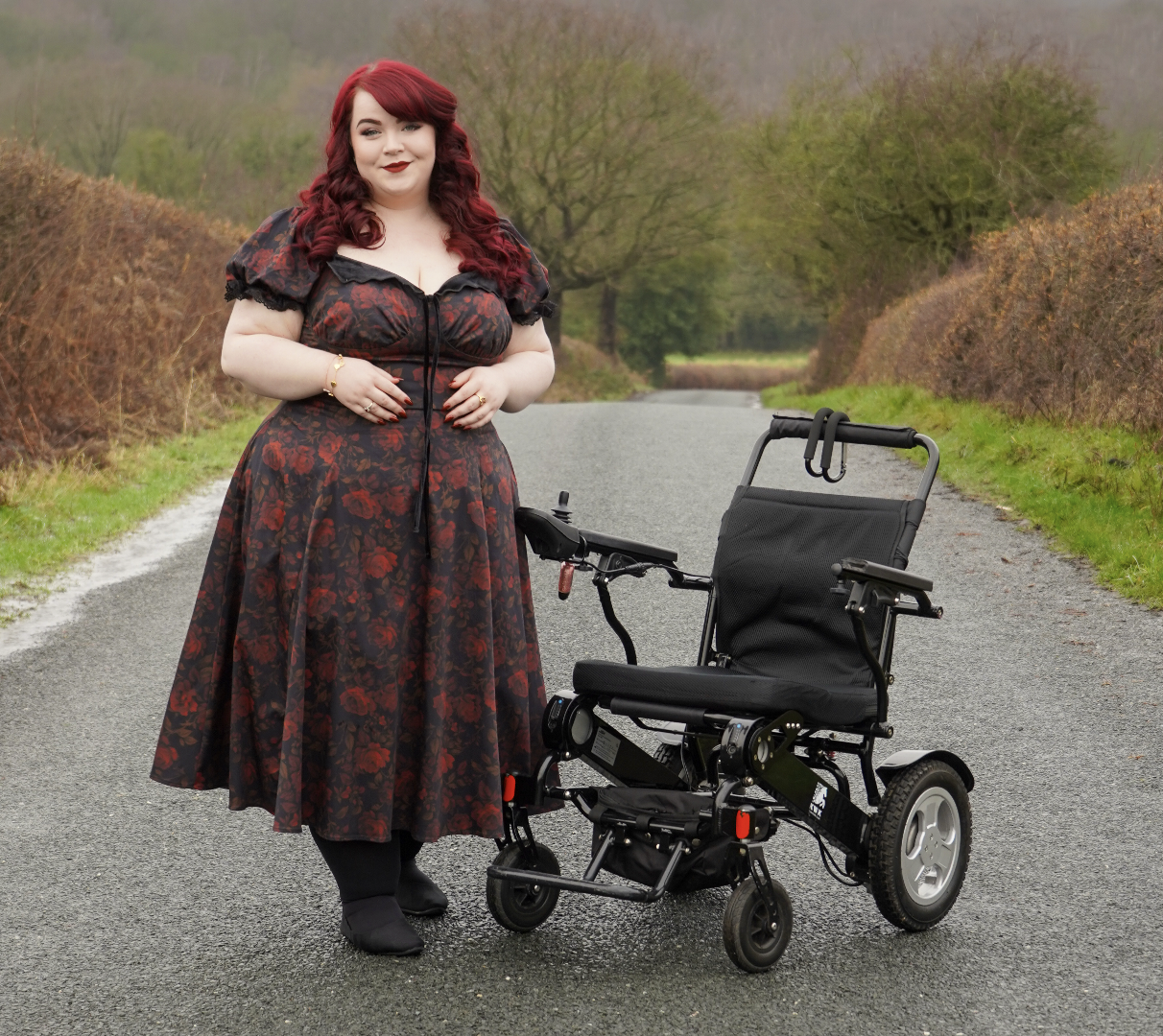
Red hair: Being less common, might be linked to notions of individuality or feistiness.
-
Black hair: Signifies sophistication and elegance, but sometimes it might also suggest mystery or aloofness.
The message our hair colour sends is not just informed by the hue itself but also by its harmony with our overall appearance. The contrast between hair colour, skin tone, and eye colour can make a statement about our sense of style and the way we wish to present ourselves to the world, and the right décolletage accessories can enhance that expression with colour, texture, and elegance.
The Role of Hair Colour in Self-Perception
Hair colour is often more than just a physical trait; it is a part of who we are and how we identify ourselves. For many of us, our hair is an extension of our personality, a canvas we use to express our individuality and style.
When we consider the psychology of hair colour and how shades are stereotyped, we find they can significantly impact personal identity. For instance, someone with fiery red hair might be labelled as feisty or strong willed, potentially influencing that person to adopt or internalise these characteristics. Similarly, those with bold and unconventional hair colours might see themselves as non conformist or artistic, aligning their identity closely with these traits.
Changing one’s hair colour is often not just about the physical alteration but also about the emotional and psychological shifts that accompany it. A change in hair colour can act as a form of self expression or a tool to signal a broader transformation within an individual’s life. It is not uncommon for people to dye their hair after a significant life event as a means of conveying their new beginning or change in outlook.
FAQ: The Psychology of Hair Colour
How does hair colour affect personality perception? The psychology of hair colour suggests that we subconsciously link certain shades to personality traits. For example, brunettes are often perceived as more “trustworthy” and “capable” in work environments, whereas blondes are often viewed as more “social” and “approachable.”
What is the psychological meaning of brown hair? Brown hair is widely symbolised as a sign of stability, reliability, and intelligence. In professional settings, this translates to the perception of a “serious” worker who is competent and focused.
What is the psychology behind changing hair colour? Dyeing your hair is frequently used as a psychological reset. It can provide a boost in self confidence, empower an individual during a major life transition, or act as a creative outlet for self expression.
Which hair colour is perceived as the most confident? While this varies by culture, the psychology of hair colour often associates darker shades like black and dark brown with high levels of authority, sophistication, and confidence.
Leave a Comment