- 6 Nuances of Being an Influencer You Probably Haven’t Considered - January 28, 2026
- Why Hotels Invest So Much In Beds & What We Can Learn from Them? - January 21, 2026
- Why Getting Outside More Can Lift Your Mood This Year - January 19, 2026
Ever wondered what your hair colour says about you? We’ve all heard the stereotypes – blondes have more fun, redheads are fiery, and brunettes mean business. But there’s more to these colourful tales than meets the eye. Our hair colour can significantly influence how others perceive us and, in turn, how we see ourselves.
From the boardroom to the bar, the psychology of hair colour is at play in everyday interactions. Whether we’re aware of it or not, the shades atop our heads shape impressions and can even affect our career prospects. Let’s delve into the fascinating world of hair colour psychology and uncover the subtle, yet powerful, ways it impacts our lives.
The Psychology of Hair Colour: How It Influences Perception
We’ve long understood that physical appearance plays a critical role in how we’re perceived by others, but perhaps no aspect of appearance is quite as striking or immediately noticeable as the colour of our hair. Hair colour extends beyond mere fashion; it has deep-seated psychological effects and can influence perceptions in both conscious and unconscious ways.
Research shows that blondes are often perceived as fun-loving and approachable, but at times may be unfairly stereotyped as less intellectual. Brunettes, on the other hand, are typically seen as serious, reliable, and smart, qualities which can be highly advantageous in professional settings. Redheads might find themselves associated with fiery personalities and a strong-willed nature. These stereotypes, whether valid or not, can greatly affect the way individuals with these hair colours navigate social and professional circles.
When we consider the influence of hair colour on perception, it’s imperative to note the role of contrast and novelty. For instance, in regions where a particular hair colour is scarce, individuals with that colour may find themselves the object of increased attention simply due to rarity. Such attention can have a range of effects, from positive reinforcement to objectification.
It’s also essential to note the cultural connotations associated with different hair colours, which can vary widely from one society to another. Our world is saturated with media images that often propagate certain ‘idealised’ standards of beauty and personality tied to hair colour. The predominance of these images can shape societal attitudes and thus influence the way we perceive individuals based on their natural or chosen hair hue.
Even within the professional realm, hair colour can have an impact. Studies have indicated that certain hair colours may correlate with more rapid career advancement, although such effects are difficult to empirically substantiate due to the multitude of factors that contribute to professional success. Nevertheless, it’s clear that hair colour is far more than a mere feature; it’s a personal trait that interacts with social dynamics in myriad ways.
Continuing our exploration into the effects of hair colour, let’s delve into the psychological impacts on the individual themselves. The colour we choose to adorn our heads can also be a form of self-expression and identity.
The Impact of Hair Colour on First Impressions
The Power of First Impressions
We often hear that first impressions are crucial. Studies show people make snap judgments within seconds of meeting someone new. In fact, psychologists believe that within the first 7 seconds of an encounter, a multitude of assumptions are formed. These initial perceptions can touch upon the person’s professionalism, social status, and character. Let’s delve deeper into how hair colour, specifically, contributes to these fleeting yet pivotal moments.
While it’s widely recognized that attire and posture play significant roles, hair colour is an equally telling feature. It’s an attribute that can be both a conscious and subconscious indicator of someone’s personality. People tend to assign characteristics to individuals based on their hair colour, and these perceived traits can set the stage for future interactions. Whether it’s fair or not, such assumptions have the power to shape and steer the course of a relationship straight from the outset.
Hair Colour as a Factor in First Impressions
When we think about hair colour’s impact on first impressions, we’re tapping into deep-rooted social and psychological cues. Various hair colours evoke different stereotypes – some positive, some negative. Here’s how they might influence initial perceptions:
- Blond hair can be associated with youthfulness and vibrancy, but possibly also with unintelligence, the so-called “dumb blond” stereotype.
- Brown hair often conveys reliability and intelligence, traits that can bode well in professional settings.
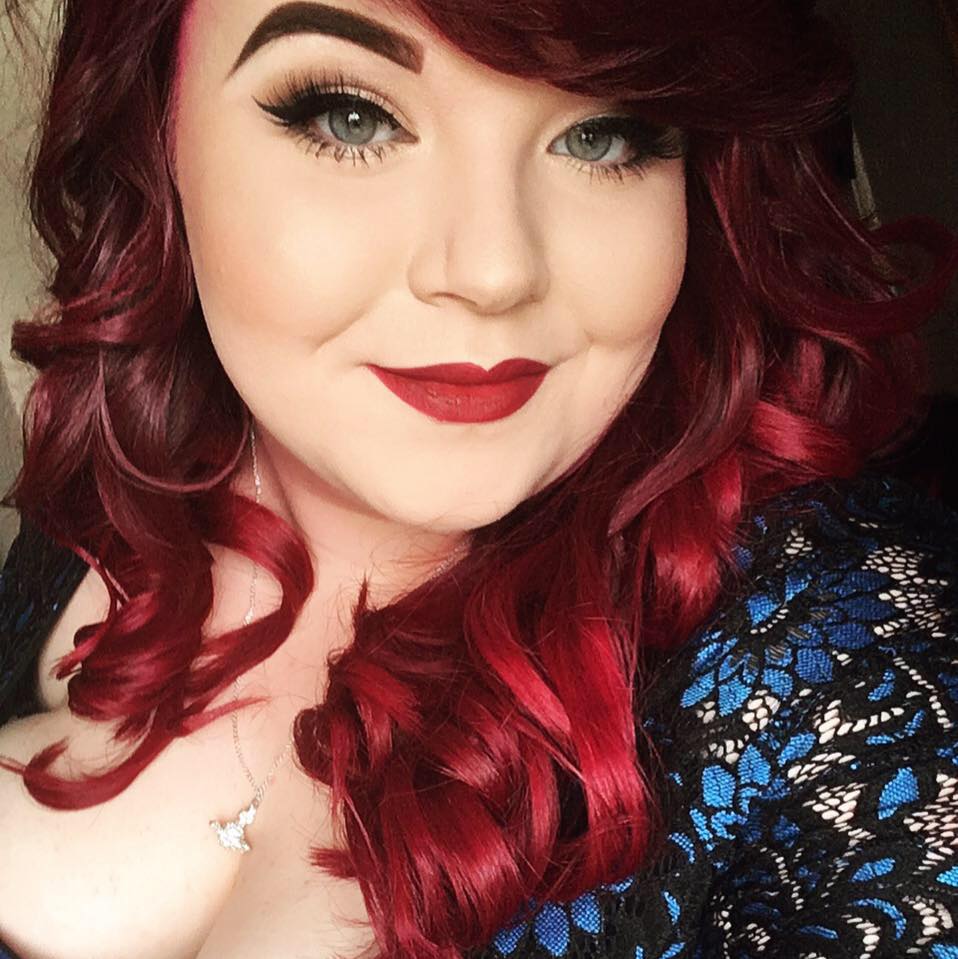
- Red hair, being less common, might be linked to notions of individuality or feistiness.
- Black hair can signify sophistication and elegance, but sometimes, it might also suggest mystery or aloofness.
The message our hair colour sends is not just informed by the hue itself but also by its harmony with our overall appearance. The contrast between hair colour, skin tone, and eye colour can make a statement about our sense of style and the way we wish to present ourselves to the world and the right décolletage accessories can enhance that expression with color, texture, and elegance. Moreover, the way we style and maintain our hair gives additional clues to our personality and attention to detail, thereby affecting perceptions even further.
By understanding the subtle yet impactful role that hair colour has on first impressions, we can gain insight into the dynamics of our social and professional interactions. Whether for strategic personal branding or simply as an expression of individuality, hair colour is a component of our image that demands consideration.
Cultural and Social Influences on Hair Colour Perception
Cultural and societal norms heavily influence how we perceive hair colour. The stereotypes and associations that come with various hair colours can affect both personal identity and societal status.
Hair Colour Stereotypes Across Cultures
Different cultures have distinct stereotypes associated with hair colour. Let’s delve into how these perceptions vary across the globe:
- Blond hair is often seen as synonymous with youth and beauty in Western cultures. It’s also misleadingly linked to lower intelligence, coining the term “blond stereotype”.
- Red hair can carry connotations of feistiness and strong-will, especially in the UK and Ireland where it is more prevalent.
- In Asia, black hair is the most common and is typically seen as a standard of traditional beauty, reflecting heritage and cultural identity.
- Grey hair universally tends to be associated with wisdom and maturity, although it can also lead to ageing stereotypes.
These stereotypes strongly influence how individuals with different hair colours are treated across various social contexts.
The Influence of Media on Hair Colour Perception
The media plays a pivotal role in shaping our perceptions of hair colour. Television, films, and magazines often typecast characters based on hair colour, which reinforces certain stereotypes. Examples include:
- The Bombshell: Often portrayed by a woman with light blond hair, reinforcing the stereotype of blonds being more sexually attractive.
- The Intellectual: Dark-haired characters are commonly depicted as more intellectual or serious-minded.
- The Rebel: Redheads, owing to their rarity, are typically cast as free-spirited or rebellious.
- The Trusted Adviser: Characters with grey hair frequently fill roles suggesting wisdom or sagacity.
These media portrayals strongly impact the collective consciousness, influencing how we perceive individuals based on hair colour in our everyday lives. Recognising the origin of these biases helps us understand how deeply rooted cultural and social influences are in the perception of hair colour.
The Psychological Associations of Hair Colours
The Perception of Confidence and Trustworthiness
When we discuss hair colour, it’s impossible to overlook how certain shades can influence the perception of an individual’s confidence and trustworthiness. Research suggests that darker hair tones are often linked with a higher degree of perceived professionalism and reliability. In contrast, lighter hair, especially blond tones, can be associated with a more youthful and carefree persona. Stereotypes around hair colours have infiltrated into societal judgments, to the extent that these visual cues might impact a person’s success during job interviews or in leadership roles.
Interestingly, a study conducted by the University of Wisconsin found that people often place considerable trust in individuals with black hair, associating them with serious and capable characteristics. Brunettes, or those with brown hair, tend to be perceived as more intelligent and competent, potentially opening doors to opportunities based on these biases alone.
Hair Colour Symbolism and Cultural Meanings
Moving beyond stereotypes and general perceptions, hair colour can carry deep symbolic meanings across different cultures:
- Black hair, prevalent in Asian cultures, often symbolises youth and vitality, which is perhaps why it’s not uncommon to see a negative stigma attached to greying hair in these societies.
- Red hair, found in about 1-2% of the human population, is frequently seen as a sign of a fiery personality and boldness, particularly in Western cultures.
- The rarity of naturally blond hair, mainly concentrated in certain areas of Northern Europe, has led to a multitude of cultural narratives, from it being seen as angelic and pure to frivolous and attention-seeking.
In many ways, these cultural interpretations of hair colour are a testament to the legacy and history of particular societal groups, influencing how we regard hair colour today. This significance is deeply entrenched, making it quite challenging to separate an individual’s identity from their hair colour in the eyes of others. Understanding these symbolic meanings gives us further insight into the psychology of hair colour and how it weaves into the fabric of our personal and collective identities.
The Role of Hair Colour in Self-Perception
Hair Colour and Personal Identity
Hair colour is often more than just a physical trait; it’s a part of who we are and how we identify ourselves. For many of us, our hair is an extension of our personality, a canvas we use to express our individuality and style. People tend to make assumptions about others based on hair colour, and these perceptions can influence how we see ourselves.
When we consider how hair colours are stereotyped, we find they can significantly impact personal identity. For instance, someone with fiery red hair might be labelled as feisty or strong-willed, potentially influencing that person to adopt or internalise these characteristics. Similarly, those with bold and unconventional hair colours might see themselves as non-conformist or artistic, aligning their identity closely with these traits.
Throughout different life stages, we might find our hair colour becomes a staple of our identity. It can even affect career choices, hobbies, or social circles, weaving itself into the fabric of our lives. Certain professions, unfortunately, might still foster a bias towards more ‘natural’ hair colours, pushing individuals to conform to societal expectations and potentially causing inner conflicts with personal identity.
Psychological Impact of Changing Hair Colour
Changing one’s hair colour is often not just about the physical alteration but also about the emotional and psychological shifts that accompany it. A change in hair colour can act as a form of self-expression or a tool to signal a broader transformation within an individual’s life. It’s not uncommon for people to dye their hair after a significant life event as a means of conveying their new beginning or change in outlook.
The psychological impact is profound. Upon changing hair colour, many report a boost in self-confidence and empowerment. Imagine the excitement and novelty of seeing oneself in a new light. It can shake up routines and reinvigorate an individual’s sense of self.
However, it can also prove challenging for some, as the discrepancy between the internal self-image and the new external appearance might take time to reconcile. The adjustment period may unveil underlying attitudes and insecurities, which can be both enlightening and daunting to navigate.
Consequently, hair colour adjustments can be used therapeutically, helping individuals to explore facets of their personalities they may have been unaware of or reluctant to show before. It has the potential to be a catalyst for personal development, making the act of changing hair colour much more than just a superficial tweak.
The Influence of Hair Colour on Attraction
Hair Colour Preferences in Romantic Partners
When we delve into the realm of romantic attraction, hair colour can play an intriguing role in the preferences of those seeking mates. Studies have revealed that certain hair colours tend to be more sought after than others in the context of dating and romantic pursuits. For instance, it’s often suggested that blonde hair is highly prized in Western cultures triggered by its association with youth and vitality. Interestingly though, these preferences can greatly vary based on cultural norms and individual experiences.
One might wonder if there’s a scientific basis for such preferences. Some theories suggest that the rarity of natural blondes and redheads may evoke a level of attractiveness due to their uncommon appearance, possibly signaling a unique genetic makeup. On the other hand, darker hair colours, such as brunettes, are frequently seen as indicators of stability and reliability, traits that are equally cherished in long-term partners.
But it isn’t just about the hue; it’s also how well the colour compliments an individual’s overall appearance—creating a harmonious and aesthetically pleasing profile that may spark interest. Whether it’s a conscious or subconscious choice, these preferences highlight the complexities behind the simple act of attraction.
Hair Colour and Perceived Attractiveness
Hair colour doesn’t just influence who we find attractive—it also affects how others perceive our attractiveness. Bold hair colours, such as bright reds, blues, and purples, often convey a sense of individuality and confidence, traits that are inherently attractive to some. On the flip side, natural hair colours tend to be associated with notions of authenticity and genuineness, qualities that are undeniably appealing in their own right.
Perceptions of attractiveness linked to hair colour also extend beyond the individual. They can affect how we are treated in social situations. Blondes, for example, might find themselves the subject of certain stereotypes that can lead to them being approached more often in social settings. Conversely, those with darker hair may occasionally battle the ‘serious’ or ‘intellectual’ stereotype, influencing the way they’re interacted with at first glance.
To aggregate the complex interplay between hair colour and attractiveness, let’s look at some compelling research insights:
- Blonde women are often perceived as more youthful and healthy but also can be stereotyped as less intelligent.
- Red hair, though less common, is frequently associated with fiery personalities and a strong presence.
- Dark-haired individuals are generally seen as professional and competent, traits that carry their own form of allure.
These insights show us that hair colour is more than a feature; it’s a form of non-verbal communication that can dictate first impressions and shape interpersonal dynamics. It becomes evident that hair colour holds significant sway over attraction and perceived attractiveness, echoing the profound impact that physical appearance has on psychological and social experiences.
Conclusion
We’ve unravelled the fascinating psychology behind hair colour and its impact on perception. Our exploration shows that hair colour is more than a mere physical trait—it’s a powerful communicator that influences attraction, shapes stereotypes, and sways social treatment. Whether it’s the allure of rare hues or the associations tied to darker tones, it’s clear that hair colour carries significant weight in our interpersonal interactions. As we navigate through society, let’s remain aware of these biases and strive for deeper connections beyond the surface.