Electric Radiators vs.Traditional Heating: Which Is More Cost-Effective in the Long Run?

- Why More Women Are Exploring Wigs as Part of Their Personal Style - October 14, 2026
- Smell Amazing Without Spending a Fortune: A Guide to Affordable Perfume Alternatives - October 12, 2026
- How to Choose the Right Anti-Wrinkle Cream for Your Skin - October 9, 2026
When choosing a heating system for a home, one major question is whether to go with electric radiators or traditional gas heating. Each option has its own advantages and drawbacks, and one key factor to consider is cost-effectiveness in the long run. Electric radiators can be more cost-effective due to their energy efficiency and lower installation costs. They don’t require extensive pipework, which makes them easier and cheaper to install.
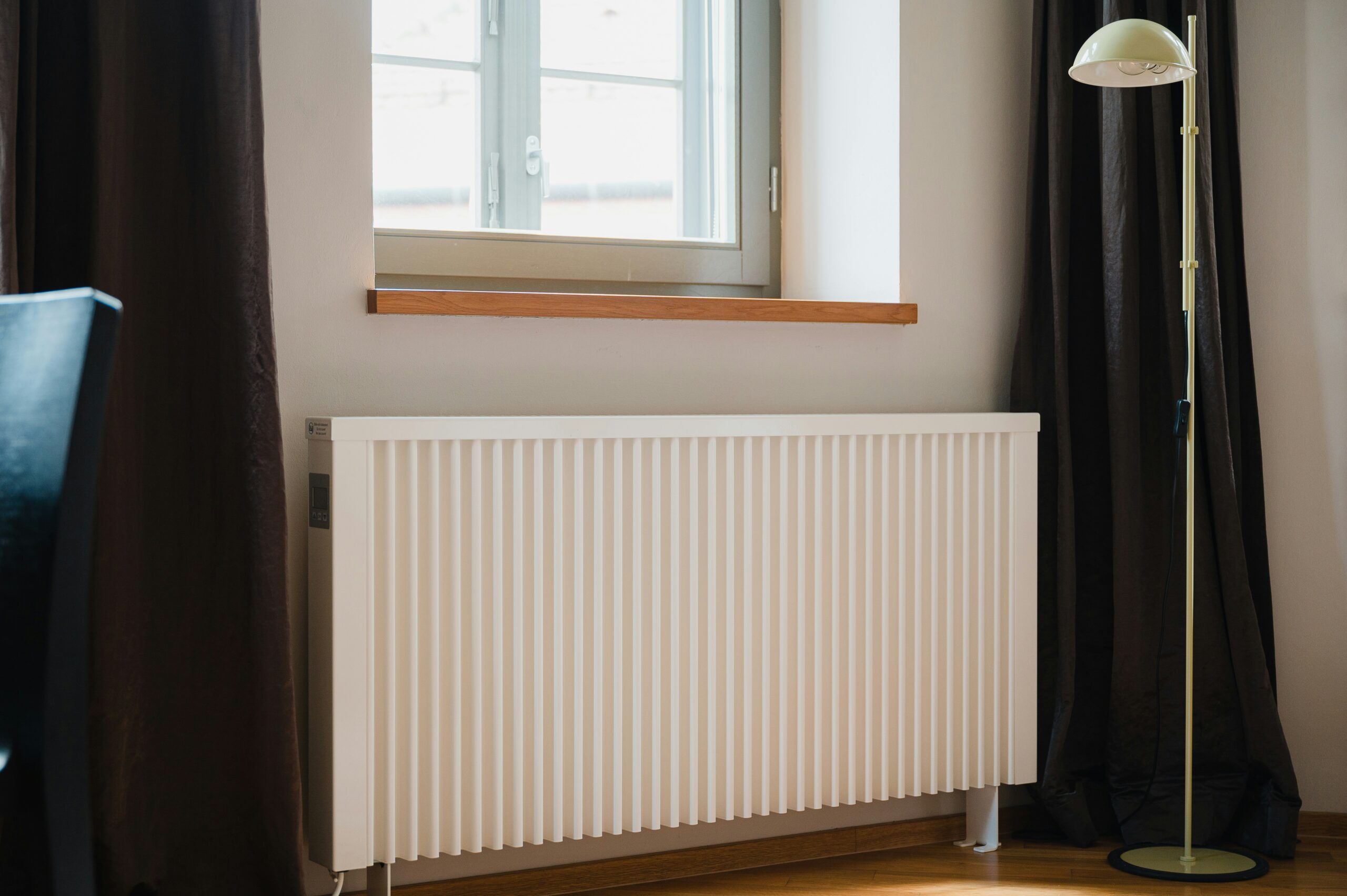
Traditional gas heating systems may appear cheaper to run, especially in regions where gas is less expensive than electricity. However, gas systems often incur higher maintenance costs and might need more frequent repairs. This can lead to unexpected expenses, tipping the balance in favour of electric radiators over time.
Consumers looking for energy-efficient heating solutions will find that some of the best electric radiators are designed to save money while keeping homes comfortable. Easy installation and minimal maintenance make these radiators a practical choice, providing warmth without the ongoing costs associated with traditional gas systems.
Overview of Electric Radiators
Electric radiators offer unique advantages in terms of efficiency and ease of use. They convert all the electricity they consume into heat, making them energy-efficient at the point of use. They are straightforward to install and require minimal maintenance compared to traditional heating systems.
Benefits of Electric Radiators
Electric radiators are 100% efficient at converting electricity into heat, which can help reduce energy consumption. Such efficiency means that every unit of electricity purchased is turned into usable heat. They provide consistent warmth and can be easily controlled to maintain desired room temperatures.
In addition, electric radiators are often flexible as they can be used in various settings like homes and offices without significant structural modifications. They are ideal for adding extra heat to specific rooms and are more environmentally friendly when powered by renewable sources.
Cost Analysis of Electric Heating
When analysing the cost of electric heating, initial investments might be higher than traditional heating systems. Despite this, the overall running costs can be lower due to the high efficiency of electric radiators, since they use all electricity to provide heat. Unlike gas systems, there is no heat loss through pipes, which saves energy.
While electricity rates may sometimes be higher than gas, using programmable settings and timers can help manage energy use effectively, leading to potential savings over time. With the ability to control heating in specific rooms, homeowners can also optimise energy use, only warming areas where needed.
Installation and Maintenance
Installing electric radiators is generally straightforward. They don’t require extensive plumbing, which can significantly reduce installation time and costs. This makes them an appealing option for those refurbishing a space and wishing to avoid the disruption associated with traditional heating systems.
Regarding maintenance, electric radiators require minimal upkeep. They have fewer moving parts, which reduces the likelihood of breakdowns or the need for repairs. Regular dusting and guaranteeing they are not obstructed by furniture is usually all that’s needed to keep them running efficiently. This simple maintenance guarantees a longer lifespan and reliable performance.
Comparison with Traditional Heating Systems
Electric radiators and traditional heating systems have distinct advantages and challenges. This section explores their differences in set-up costs, efficiency, financial implications, and environmental impact.
Initial Set-Up and Operating Costs
The initial set-up of electric radiators is typically simpler and can be less costly. Electric systems often don’t require extensive plumbing, making installation easier and more straightforward. In contrast, traditional gas systems need pipes and a central boiler, which can increase the complexity and cost.
Operating costs vary. Electric radiators can be energy-efficient, but electricity prices can be higher than gas. Traditional heating systems may have lower fuel costs, but their efficiency may not match that of electric systems, affecting ongoing expenses.
Energy Efficiency Considerations
Electric radiators generally offer greater energy efficiency. They convert almost all electricity into heat, minimising waste. This can lead to more efficient room heating. In contrast, traditional central heating systems sometimes lose energy through the pipes and the boiler.
Efficiency may be impacted by factors such as the source of electricity and insulation quality. Choosing an efficient system can help reduce energy consumption and lead to potential savings on utility bills.
Long-Term Financial Implications
Long-term financial benefits depend on various factors, including fuel costs and maintenance. Electric radiators often have fewer moving parts, translating to lower maintenance needs and potentially reduced repair costs over time. Electricity prices, while generally more consistent, can be higher than gas, affecting long-term expenses.
Traditional systems, though benefiting from usually cheaper gas prices, may require regular servicing and repairs. This can lead to higher long-term maintenance costs, offsetting some of the initial savings from lower fuel prices.
Environmental Impact Assessment
Electric radiators have a cleaner environmental footprint when powered by renewable energy sources. They produce no direct emissions, which can be positive for eco-conscious households. Their reliance on electricity means their environmental impact varies based on energy source.
Traditional heating systems, using fossil fuels, often release more greenhouse gases. Their environmental impact can be less favourable unless they incorporate newer technology to improve efficiency or reduce emissions. When assessing the environmental impact, considering energy source and efficiency is important.
Conclusion
Electric radiators offer significant advantages in terms of energy efficiency. They convert almost all the energy they consume directly into heat. This means users get better value for their money compared to traditional heating systems, which often lose heat through pipes.
Additionally, electric radiators provide uniform heat distribution. This can be beneficial for maintaining a consistent room temperature. Electric radiators can also operate for longer periods due to their thermal inertia.
Choosing between electric radiators and traditional heating depends on specific needs and preferences. However, the cost-effectiveness and efficiency of electric options make them an attractive choice for many households.
Leave a Comment